


As expert paving contractors with decades of experience, one of the most common questions we encounter involves the choice between different paving materials. Understanding the options is key to making a decision you’ll be happy with for years to come. At Frank Harrison Paving, we believe in empowering our clients with knowledge. Two popular choices for driveways and private roads are asphalt and chip seal, and while they may seem similar, they have distinct differences in composition, appearance, and performance.
Get a Quote
The Classic Appeal of Asphalt Paving
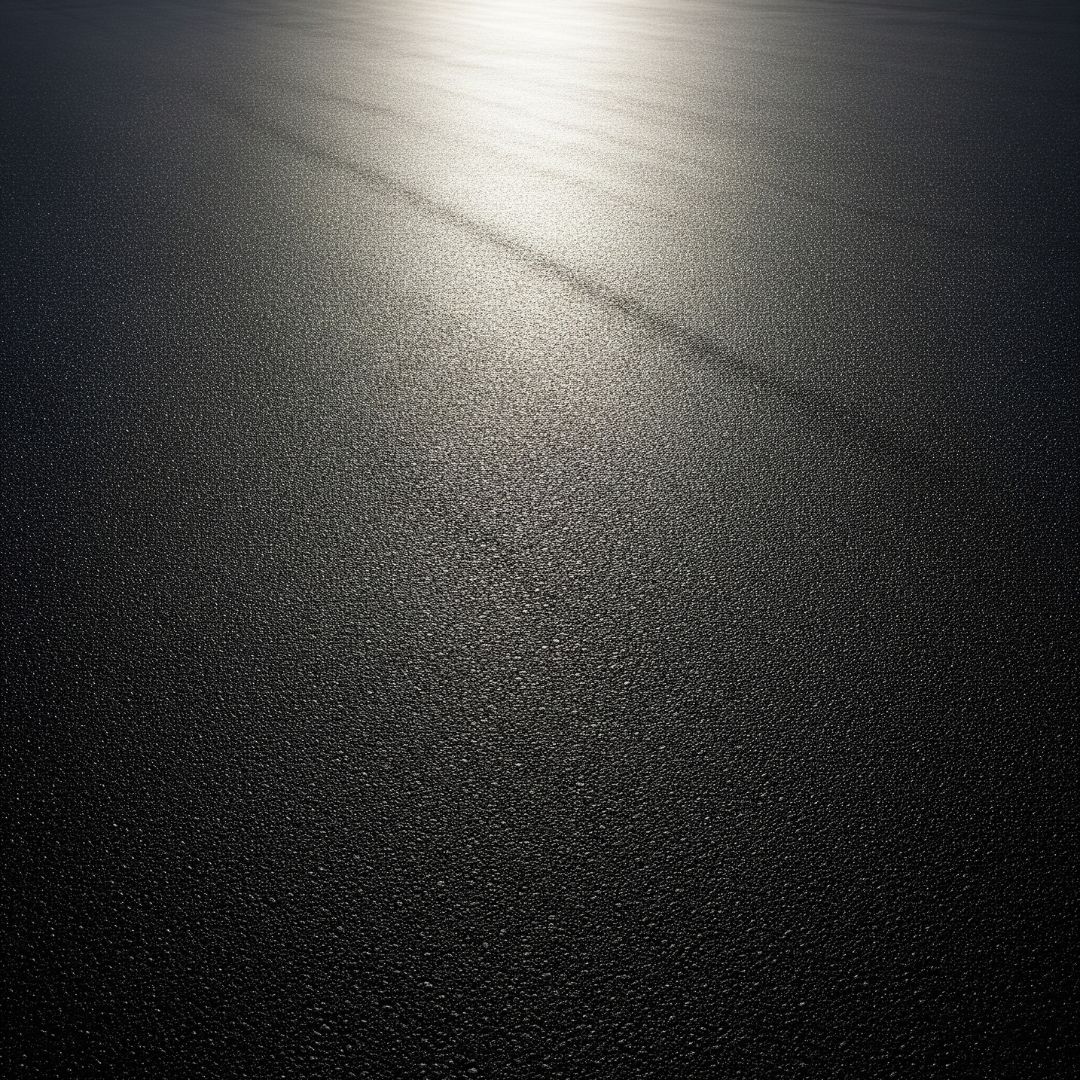
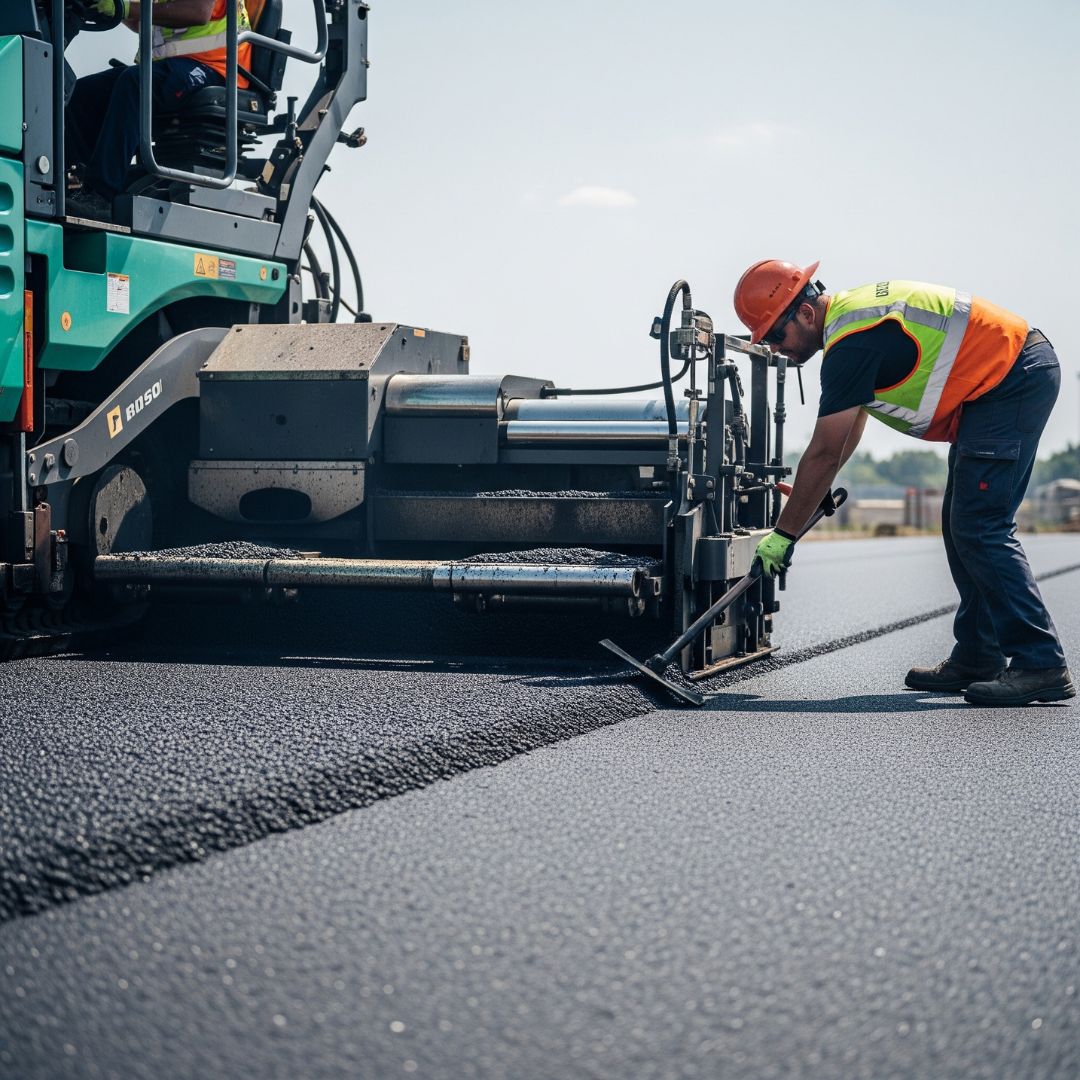
When you picture a traditional paved surface, you’re likely thinking of hot-mix asphalt. This material is a precisely engineered mixture of stone, sand, and a petroleum-based binder that is applied while hot and compacted to create a smooth, durable, and flexible surface. Its classic, clean appearance and long lifespan make it one of the most popular choices for our asphalt paving services. It provides a sleek, uniform finish that is ideal for nearly any residential or commercial application.
The Rustic Charm of Chip Seal
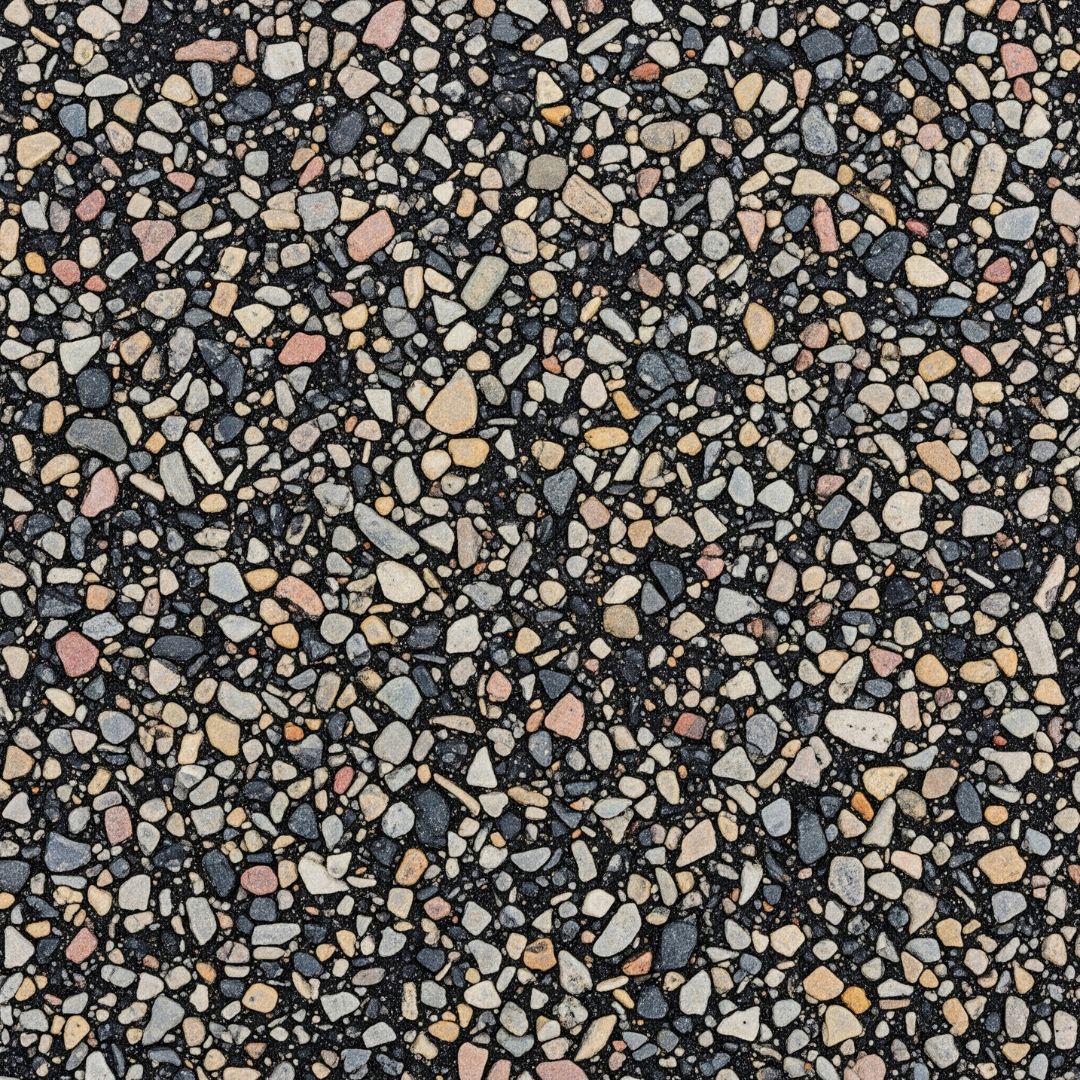
Chip seal, often referred to as tar and chip, offers a more rustic and textured alternative. The process involves spraying a hot liquid asphalt binder onto the surface, followed immediately by a layer of finely graded aggregate “chips.” These stones are then rolled and embedded into the binder. The result is a durable, skid-resistant surface with a natural, gravel-like appearance that can be a cost-effective paving solution.
Get a Quote
Comparing Aesthetics and Finish
The most immediate difference between the two is aesthetics. Asphalt provides a smooth, black, and uniform finish that is consistent from edge to edge. It delivers a polished look that many homeowners and businesses prefer for its clean lines. Chip seal, on the other hand, has a rougher, more natural-looking texture defined by the color and size of the stone aggregate used. This can create a charming, rural aesthetic that blends well with natural landscapes.
Making a Choice on Durability
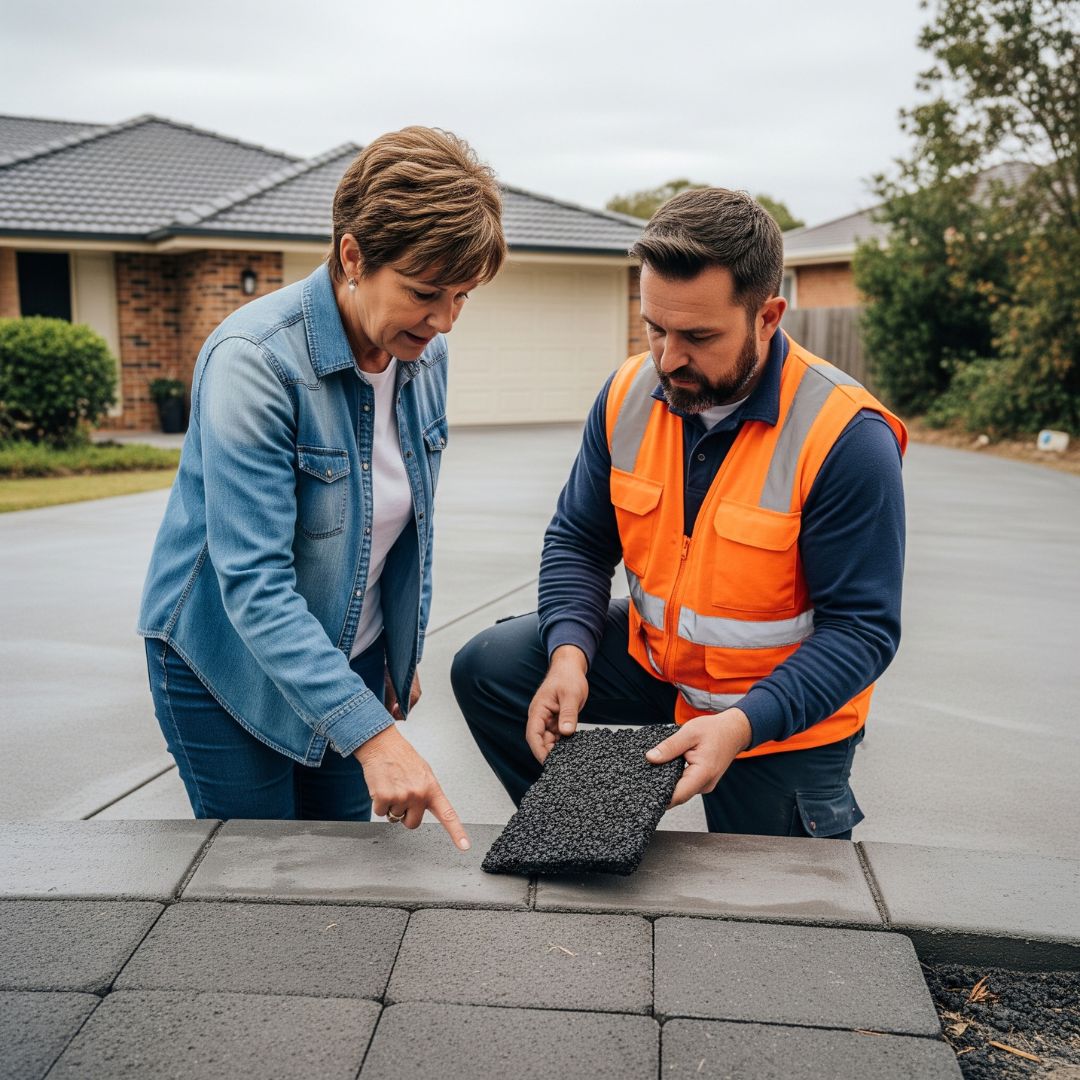
Both surfaces are durable, but they behave differently over time. A properly installed asphalt pavement can last for decades with periodic maintenance and sealcoating to protect it from oxidation and water penetration. Chip seal is also very durable and has the added benefit of being self-healing, as small cracks can be sealed by warm weather and traffic. The choice often comes down to balancing your budget, desired look, and long-term maintenance preferences.
Ultimately, the right paving material depends entirely on your specific needs and goals for the project. Whether you prefer the sleek finish of asphalt or the rustic texture of chip seal, our team has the expertise to deliver a high-quality result. If you’re still unsure which path to take, we’re here to help. Contact us today to discuss your project and get an expert recommendation.